City of white marble.
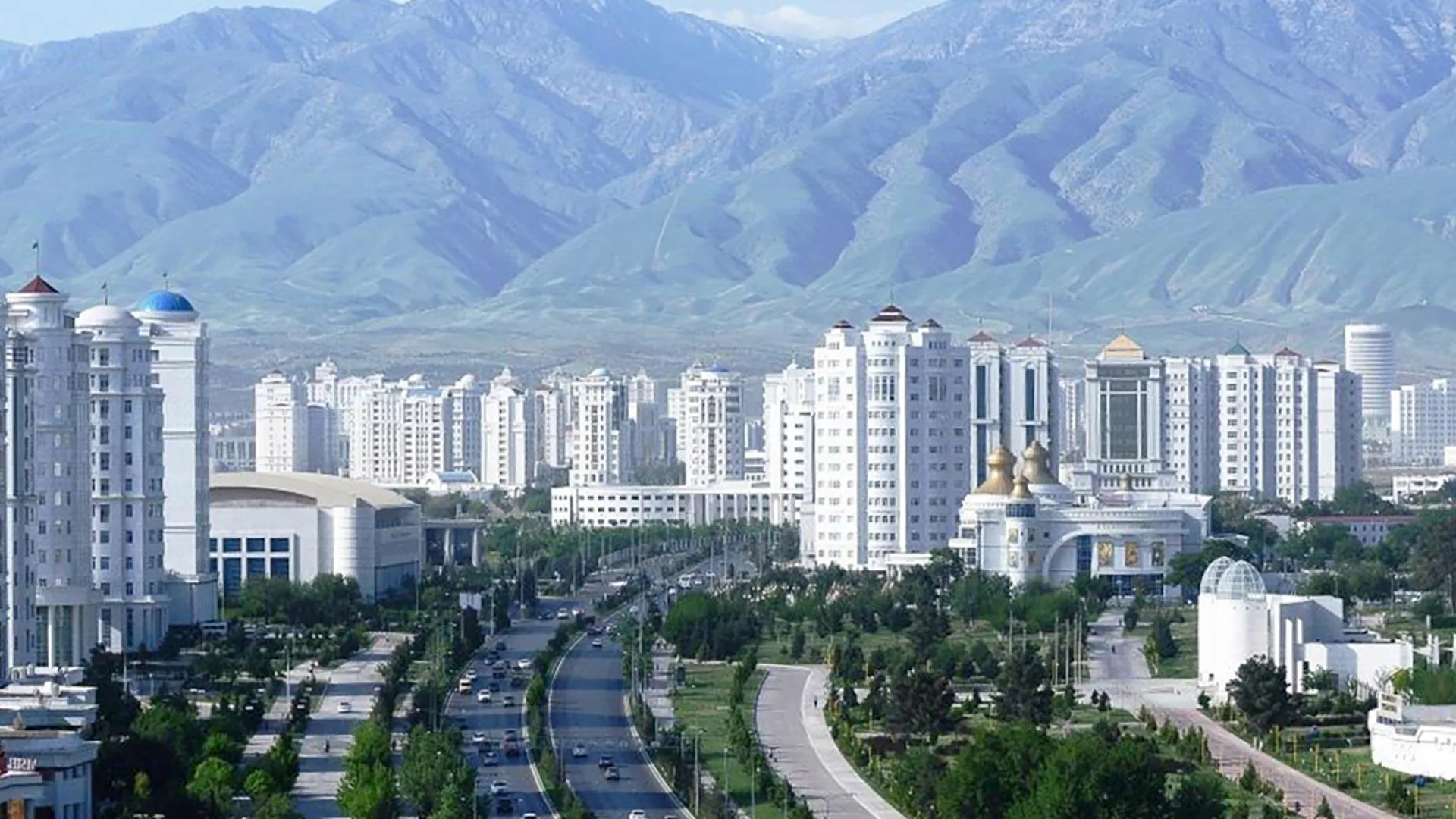
The capital between the Kopetdag mountains and the Karakum desert: white-marble avenues, fountains and the National Museum.
Read the story ↓Rebuilt in white marble.
Ashgabat is the capital of Turkmenistan and the largest city of the country. Divided in four districts or “etraps”, it is also the scientific, administrative, cultural, and industrial center of the republic.
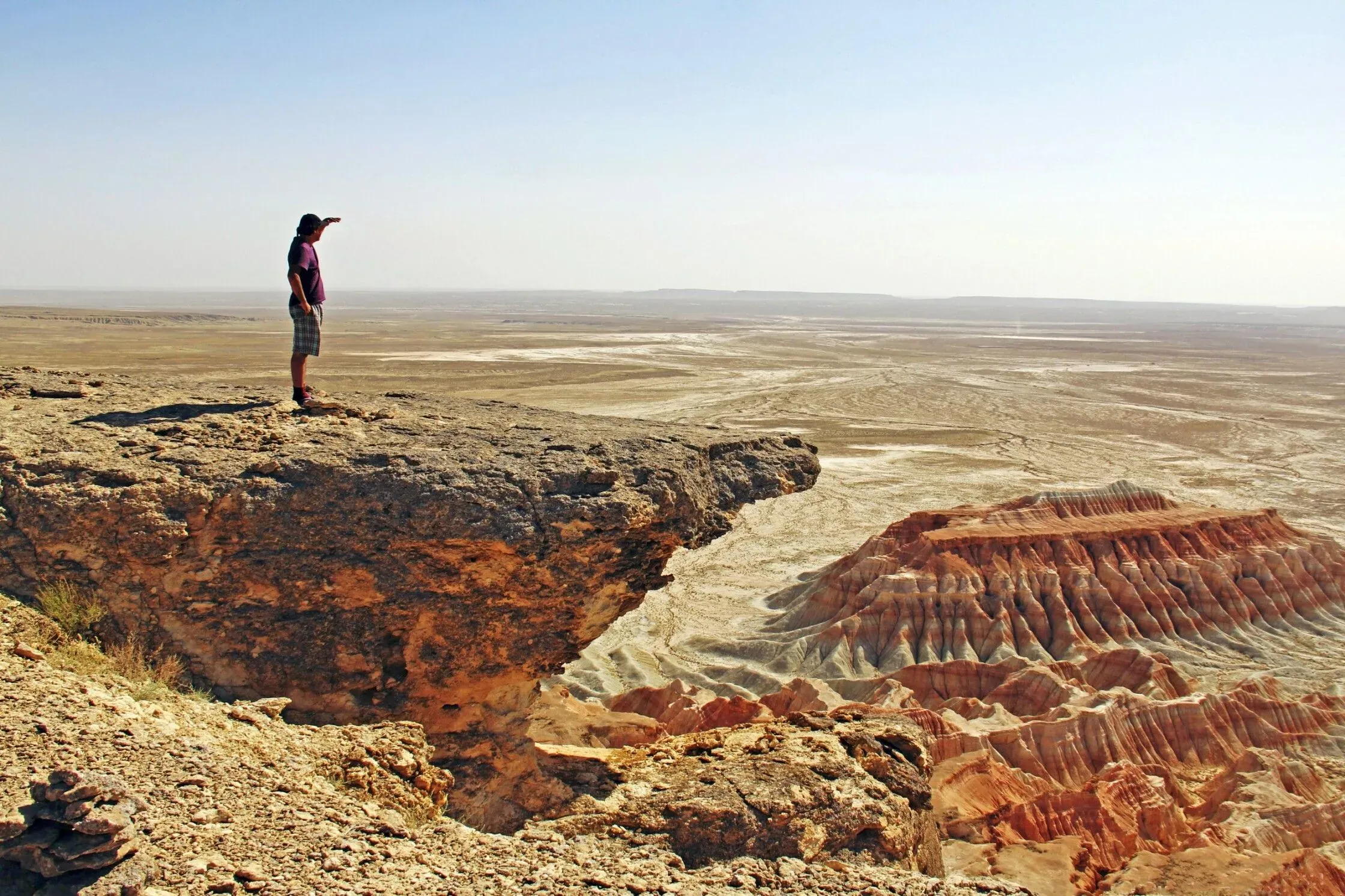
On one side, the city is framed by the Kopetdag Mountain Range and on the other, by the Karakum desert. Located in Central Asia, Ashgabat practically borders Iran – the border is only 25 kilometers away. The climate in the capital is continental extreme, very hot in summer and cool in winter.
Tours, Attractions and Things To Do in Ashgabat
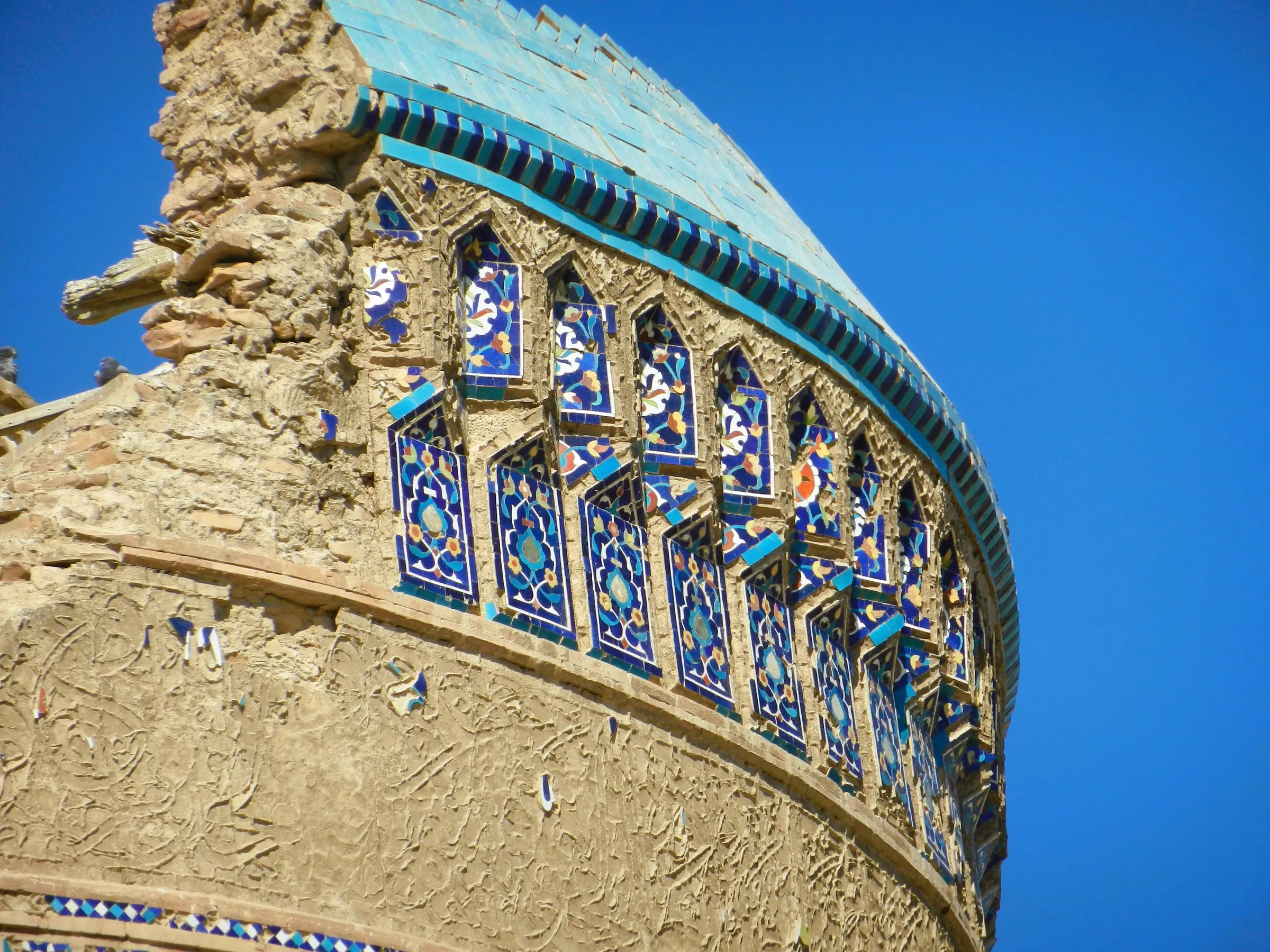
Ashgabat has only a few old buildings, since in 1948, a terrible earthquake, destroyed almost everything, taking the lives of more than 175 thousand people.
In 2013, Ashgabat was included in the Guinness Book of Records as the city with highest density of white marble buildings, confirming the title 5 times.
According to official data, in 2018 the number of residents of Ashgabat reached 1 million, while the population of Turkmenistan was a bit more than 6 million people.
History of Ashgabat
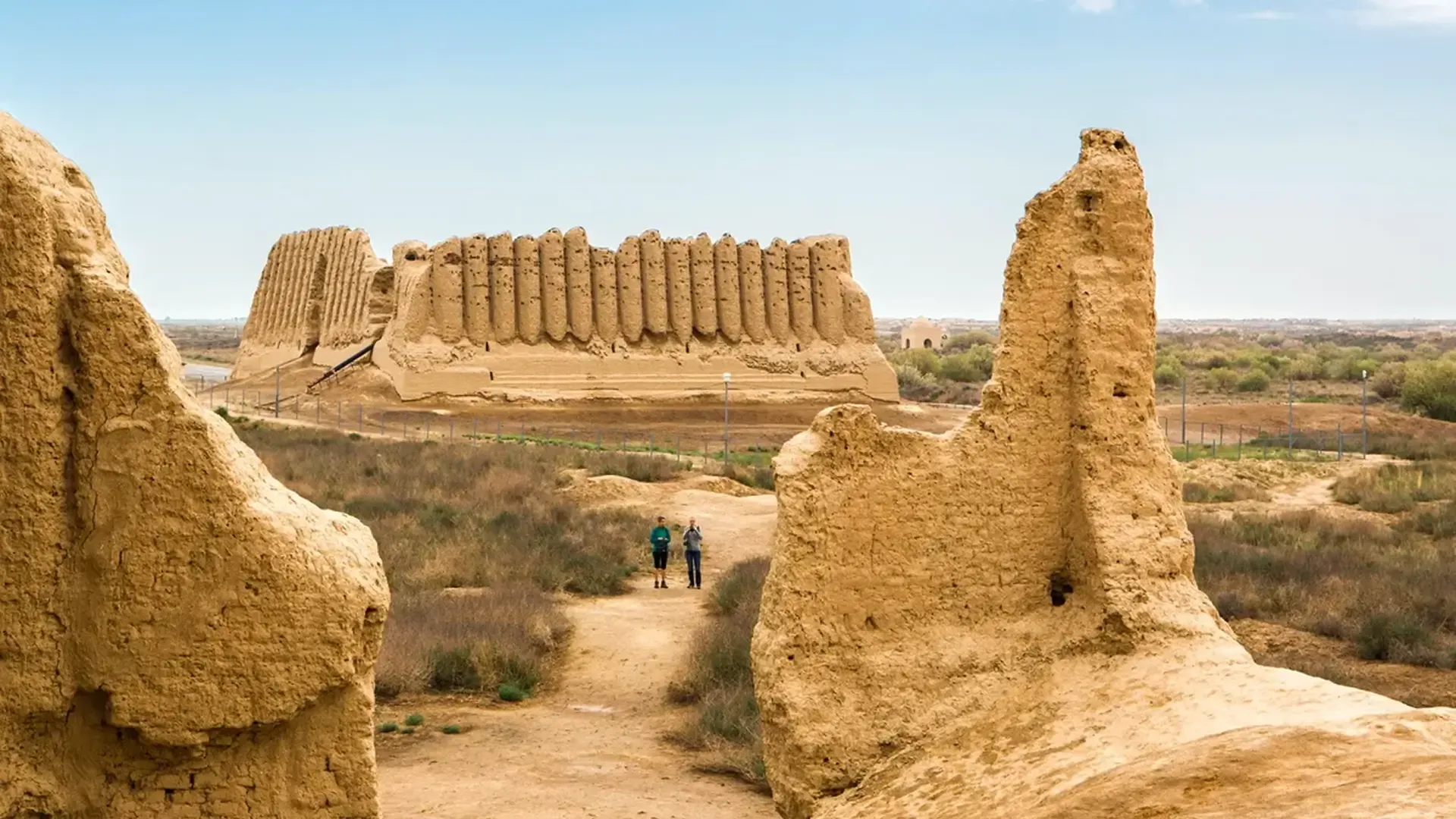
On the site of modern Ashgabat, in the 2nd century BC was the city of Konjikala. Konjikala had a strategic location on the Great Silk Road, therefore, was reconstructed even after being destroyed by a great earthquake. The city existed until the 13th century when it was destroyed by the Mongols.
In the 18th century, Russian troops came to this territory and built Askhabad fortress (from the Persian eshq – "love" and abad – "inhabited place"). The construction completed in 1881. The fortress was often attacked by British spies who tried to create obstacles in the path of the Russian Empire to Central Asia.
After 10 years, Ashkhabad became a major administrative and trade center. During the Soviet Union, it was renamed Poltoratsk in honor of the revolutionary, but in 1927 the historical name was returned to the city. Ashgabat was the first to build a railway line that connected the city with Tashkent and Krasnovodsk (now Turkmenbashi).
In 1948, the city was completely destroyed by a strong earthquake. It led to 176 thousand people killed and 80 thousand injured.
After the earthquake, the city was restored from the ruins. In 1960, the capital was supplied with water from the Karakum River.
How to get to Ashgabat
You can get to Ashgabat by plane since it is the largest transport hub in Turkmenistan. Flights from all countries of the world. Turkish Airlines, Flydubai and Belavia International Flights fly to Ashgabat. The national airline Turkmenistan Airlines operates regular flights to Istanbul, Dhaka, Dubai, Minsk, Frankfurt, Moscow.
Languages Spoken in Ashgabat
The official language of Turkmenistan is Turkmen, and it is spoken by most residents of Ashgabat. Uzbek is also well known by many Turkmens and constitute the second most common language, being Russian the third. The 2010 census in Turkmenistan showed that almost 12% of the country's residents speak Russian fluently and most of them live in Ashgabat.
While English is not popular, employees of hotels and international organizations, as well as school graduates and students can speak it.
Currency in Ashgabat
The national currency of Turkmenistan is the Turkmen manat. The Turkmen tenge is also in use (1 manat = 100 Turkmen tenge). Manats and Turkmen tenge are widely use everywhere in the country.
The official dollar exchange rate is 3.5 manats and is possible to exchange money in the banks.
Visa and MasterCard cards are practically not accepted anywhere, except for large hotels and some restaurants. Although Turkmens prefer to use local money, many sellers accept only dollars, so we recommend having a stock of small bills.
Security in Ashgabat
Ashgabat is a safe city, with a lot of representatives of law enforcement. While you can be safe at night, we advise you to stay at your registered place, since you may be fined otherwise.